

Summer officially kicked off on June 22. And here in the Natural State, that means lakes, pools, rivers, creeks, and beaches will be full of people ready to catch some rays and enjoy the waves. With all of these opportunities come important lessons on water safety for patients of any age.
Talking to patients about water safety does not need to be long or drawn out. We all sort of intrinsically know the rules: wear a life jacket, pass your boating test before operating a watercraft, don’t swim alone. But a few targeted questions during a well-child visit, sports physical, or annual wellness visit can help patients think through their risks long before they ever take a dip.
Water Safety for Infants: Bath time and household water hazards

Drowning is a leading cause of death in early childhood, especially in kids age 1-4. As children grow, prevention measures change, but the fact remains: at any age, multiple flotation devices are needed.
Babies and infants can drown even in just a few inches of water. If a patient wants to swim with their child, it’s important that the baby wear multiple layers of flotation and be accompanied by an adult at all times. When the baby is not in the pool, be sure to block access or place your child in a fenced-off area to prevent them from wandering or accidentally falling in. Brightly colored swimsuits will help keep an eye on them when the water gets crowded and may even make them easier to spot if they go underwater.
The proper water temperature for bath time is around 98 to 100 degrees Fahrenheit. This is close to the baby’s body temperature and will help them feel comfortable without scalding their skin or making them too cold. Babies should never be left unattended when inside or near the bathtub, even for a few seconds. When the bath time is over, be sure all the water has drained completely.
As a clinician, you can start the conversation early during Well-Child visits or other routine checkups.
Clinical conversation starters:
Ask: “What does bathtime usually look like at home?”
Remind: “An infant or child should never be left alone in or near water, even a few inches, and even for a moment.”
Ask: “Will you all be going to the pool, lake, pond, or hot tub this summer?”|
Remind: "Supervision, gates or fences, and properly fitted lifejackets all work together to help keep your kiddos safe.”
Water Safety for School-Aged Children: Life jackets, swim lessons, and safety coaching
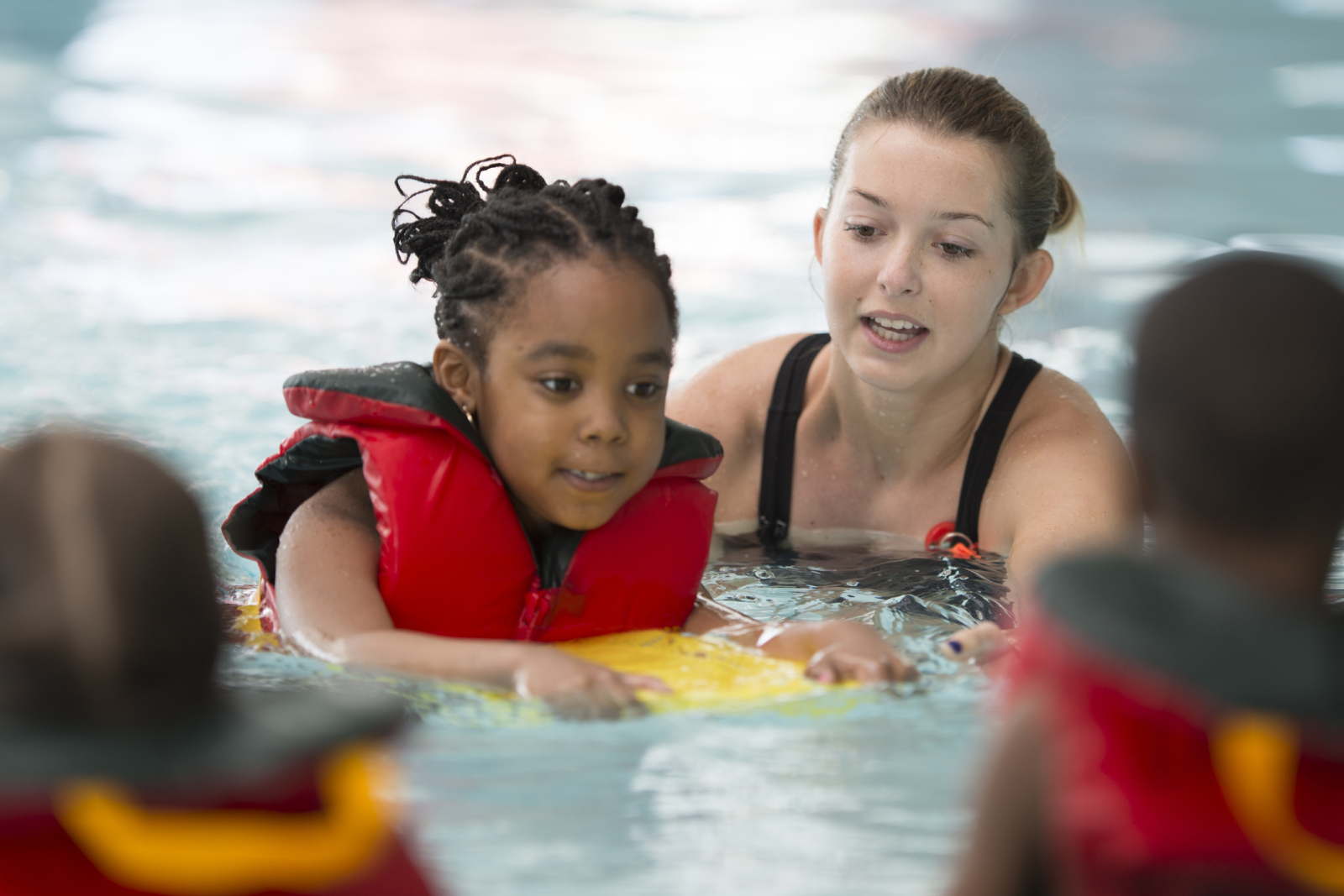
As a child becomes more independent, it’s important that they learn to practice water safety on their own, so they remain protected even when you’re not there with them.
Advocate for your patients to enroll their children in swim lessons or teach them how to swim as soon as they want to learn. Lessons can start with the simple how-tos:
- How to put on and take off a lifejacket or floaties
- How to kick, paddle, and float
- How to swim to the edge of the pool or the ladder
When they’re ready to try on their own, they should have an adult nearby to watch or accompany them. In open water like lakes, ponds, beaches, or creeks, children should learn about the current and the importance of staying where they can touch. Boating safety is also an important lesson.
Teaching kids these lessons early on can help solidify water safety when they get old enough to swim on their own. During pediatric checkups or doctor’s visits, you can ask patients to share their knowledge of water safety.
Clinical conversation starters:
Ask: “Does your child know what to do before getting in the water?”
Remind: “Teach your children how to swim, enter, and leave the water safely before they’re old enough to make their own decisions. Enforce firm water safety rules.”
Ask: “How often do you go swimming in open water like a lake or a pond?”
Remind: “Watch out for the currents and be sure to always wear proper swim protection. If they can’t touch, they need to swim back. They should always swim in open water with a trusted adult.”
Water Safety for Teens: Independence, solo swimming, and risk-taking
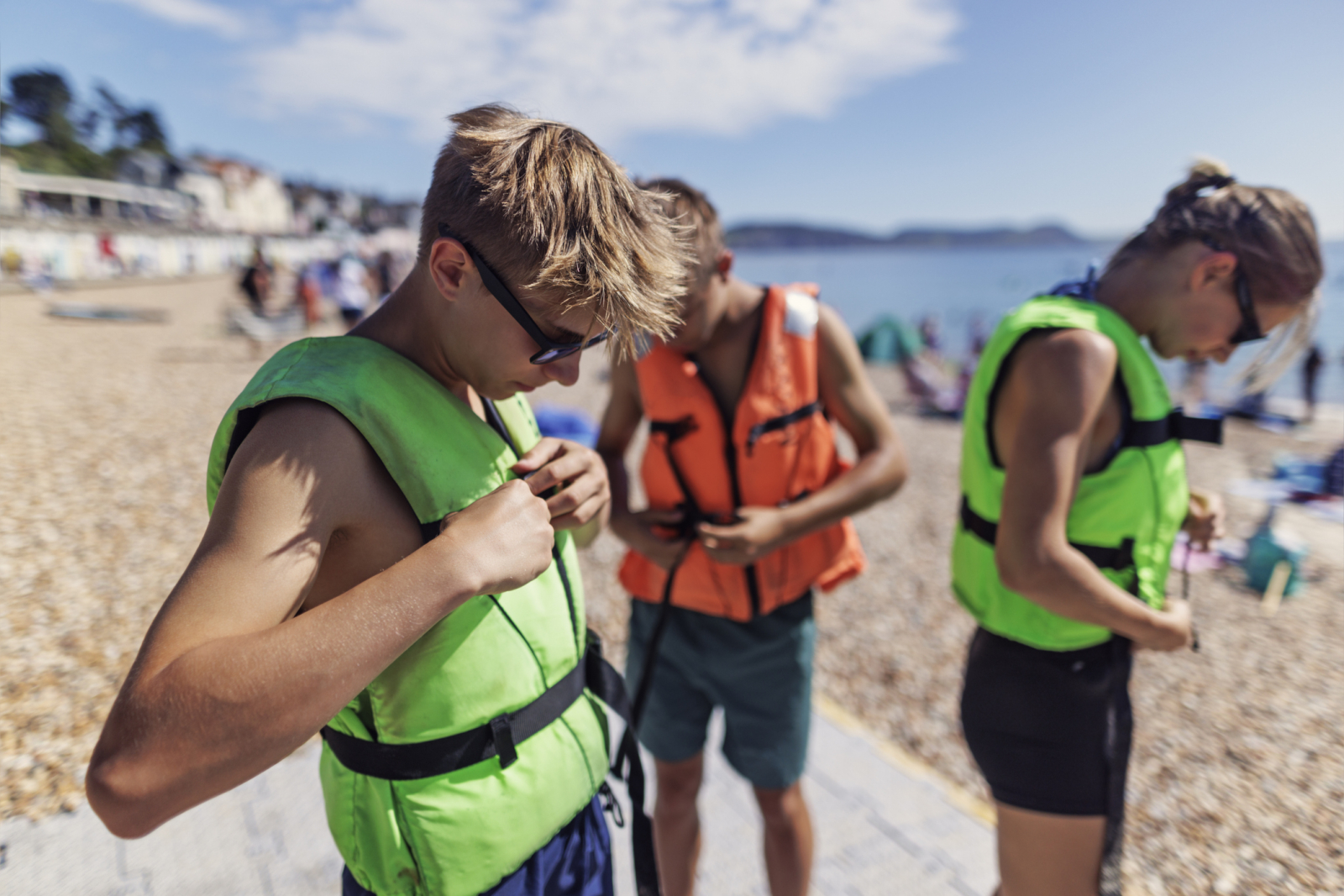
When kids get old enough, they want to swim without supervision. Swimming in lakes, rivers, and quarries can be risky without supervision, especially after dark. Encourage your patients or their caregivers to review the water safety lessons they learned as a child:
- How (and when) to dive
- How to beat the current
- How to avoid peer pressure
No teenager should ever drink, smoke, or take any behavior-altering substance before entering the water or driving any watercraft. This can enhance the risk of drowning or lead to serious injury.
Anyone born after January 1, 1986, who operates a watercraft, personal watercraft, or sailboat in Arkansas must take and pass a boater safety course and carry a boater’s license. There are no exceptions to this rule.
Clinical conversation starters:
Ask: “When you’re with friends near water, who is watching out for your safety?”
Remind: “Alcohol, darkness, strong currents, and diving into unknown water can quickly turn into an emergency.”
Ask: “Do you drink, smoke, or do drugs while you’re out on the water?”
Remind: “Drinking, smoking, or consuming any illegal substances can hinder your judgment, increase your risk of drowning, or put you in serious danger.”
Ask: “Do you or your friends plan to drive the boat or use a jet-ski or sailboat to get around?”
Remind: “Be sure the only person operating the boat or personal watercraft is the person who has a boating license. They should not be under the influence.”
Water Safety for Adults: Boating, travel, and overconfidence
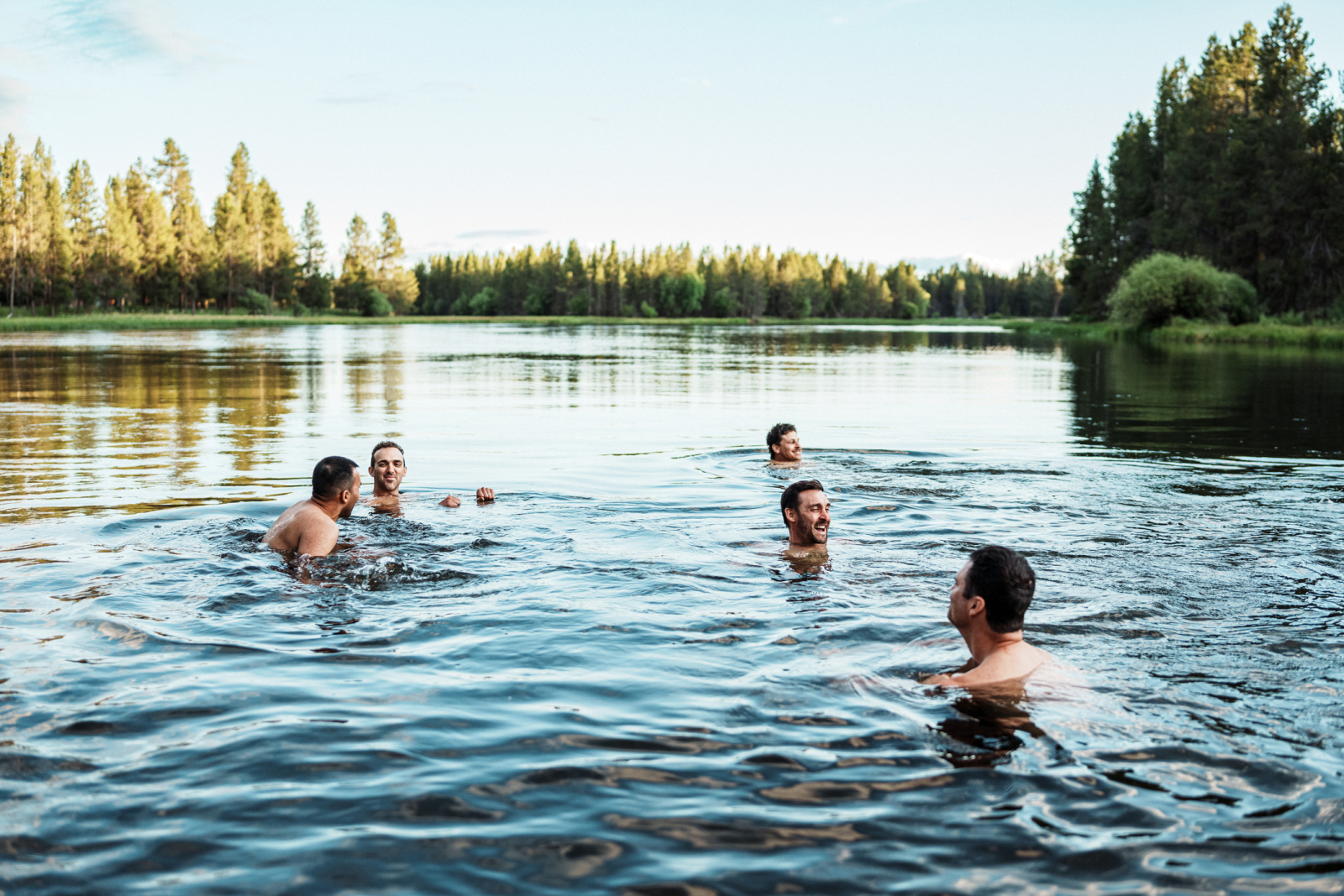
For many adults, water safety feels like second nature. They've been swimming for years, spent summers on Arkansas lakes, or enjoy fishing, kayaking, and boating with friends and family. That familiarity can create a false sense of security. In reality, adults face many of the same drowning risks as children—just under different circumstances.
Unlike younger swimmers, adults are more likely to encounter risks associated with boating, alcohol use, fatigue, changing weather conditions, and open water. Rivers and lakes often have strong currents, sudden drop-offs, submerged trees or rocks, and changing water temperatures that can challenge even experienced swimmers.
Vacation travel also introduces unfamiliar hazards. Whether patients are visiting the Gulf Coast, exploring rivers in another state, or spending a weekend at one of Arkansas's many lakes, encourage them to learn about local water conditions before they dive in. Rip currents, boat traffic, underwater obstacles, and rapidly changing weather can all turn a relaxing afternoon into an emergency.
Boating safety deserves special attention. Every passenger should have access to a properly fitted, U.S. Coast Guard-approved life jacket, and the driver should remain sober and alert. Arkansas law also requires anyone born on or after Jan. 1, 1986, to complete an approved boating education course before operating certain watercraft.
Even adults who consider themselves strong swimmers can quickly become exhausted in open water. Wearing a life jacket, checking the weather forecast before heading out, and avoiding alcohol while swimming or boating are simple steps that dramatically reduce risk.
Clinical conversation starters:
Ask: “Do you wear a life jacket every time you boat, kayak, canoe, or fish from the water?”
Remind: “Life jackets aren't just for children. Unexpected falls, strong currents, or medical emergencies can happen to anyone.”
Ask: “Are you planning any lake trips, beach vacations, or boating outings this summer?”
Remind: “Be sure to check weather conditions, understand local water hazards, and avoid swimming alone in unfamiliar locations.”
Ask: “Do you plan to drink while spending your day on the water?”
Remind: “Alcohol slows reaction time, affects balance and judgment, and significantly increases the risk of drowning and boating injuries.”
Water Safety for Older Adults: Chronic conditions and fall risk

Growing older doesn't mean giving up time on the water. Many older adults continue to fish, boat, swim for exercise, or spend time with grandchildren at pools and lakes throughout the summer. However, age-related health conditions and certain medications can increase the likelihood of water-related emergencies.
Conditions such as heart disease, diabetes, Parkinson's disease, dementia, stroke history, and mobility limitations may affect balance, coordination, or endurance. Some prescription medications, including those used to treat high blood pressure, anxiety, allergies, or chronic pain, can cause dizziness, drowsiness, or dehydration, particularly during hot summer weather.
Older adults are also at greater risk for slips and falls on wet docks, boat ramps, and pool decks. Even a minor fall can quickly become a life-threatening situation if it occurs near deep water.
Primary care providers have an opportunity to personalize water safety recommendations during annual wellness visits and chronic disease management appointments. A brief discussion about medications, hydration, heat exposure, and safe recreational activities can help patients continue enjoying the outdoors while reducing unnecessary risk.
The goal isn't to discourage patients from participating in activities they love. Instead, it's to help them plan ahead, understand their limitations, and recognize when additional precautions may be appropriate.
Clinical conversation starters:
Ask: “Have you noticed any dizziness, balance problems, or lightheadedness since starting a new medication?”
Remind: “Certain medications can affect balance, alertness, or blood pressure, making time around water more dangerous.”
Ask: “Do you enjoy fishing, boating, or spending time at the lake with family?”
Remind: “Be sure to wear a life jacket, stay hydrated, avoid excessive heat, and never go out on the water alone if you have a chronic medical condition."
Ask: “Have you talked with your family about any assistance you might need during outdoor activities this summer?”
Remind: “Planning ahead can help you continue enjoying water recreation safely while reducing the risk of falls or medical emergencies.”
Water safety is not limited to one age group, one setting, or one season. From bathtubs and backyard pools to lakes, rivers, boats, and public swimming areas, each stage of life brings different risks. Healthcare providers can help patients prepare by making water safety part of routine preventive care visits.
