
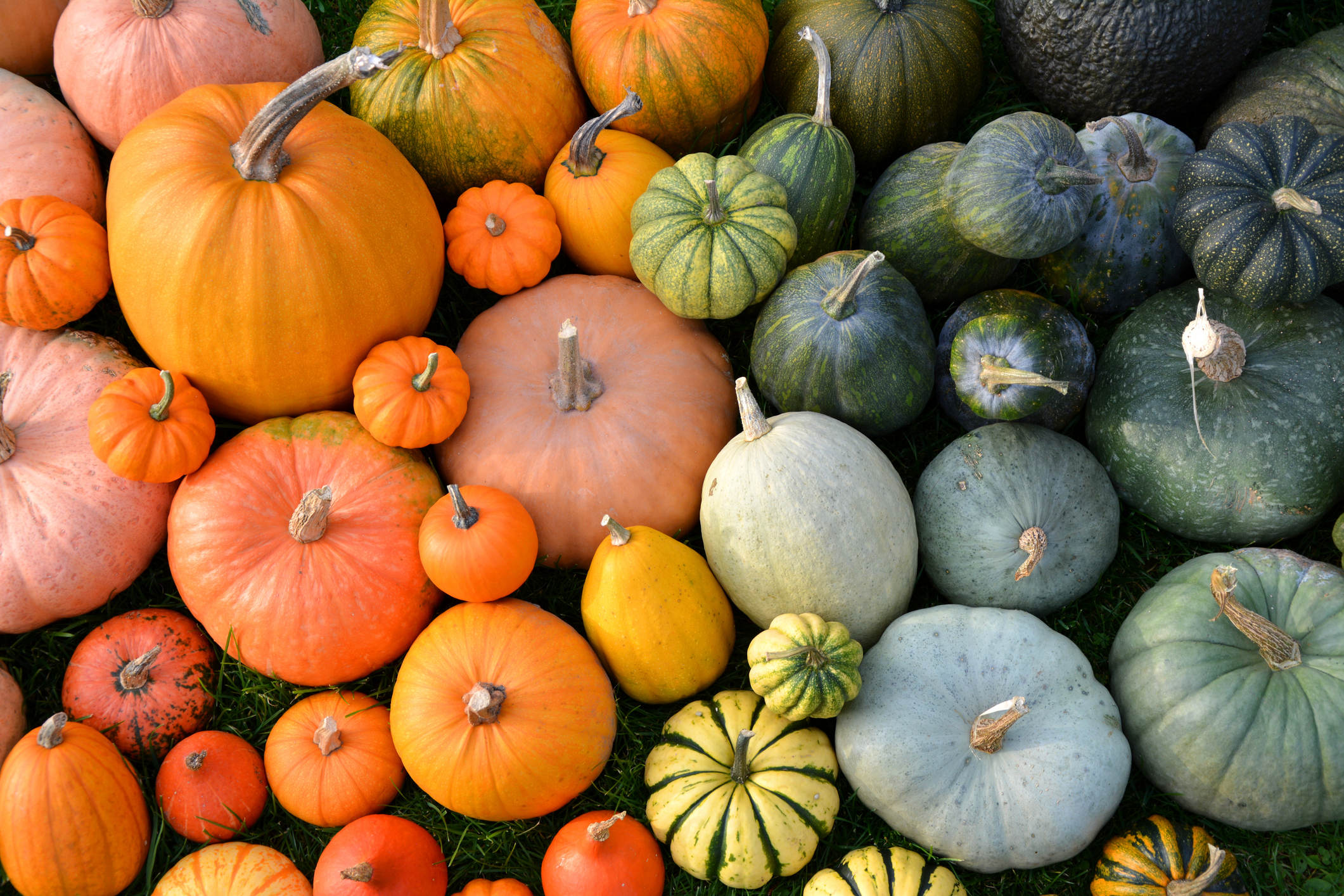
It's fall in Arkansas, and it's finally starting to feel like it, too! After growing all summer, our local pumpkins are ready for harvest. Pumpkins aren't just for pumpkin pie and jack-o'-lanterns, though. Pumpkin is also loaded with nutrients and fiber, and it's a great way to incorporate some new seasonal flavors into your routine.
Key Takeaways
- Pumpkins are a winter squash, meaning they have a thick, hard outer rind that allows them to last through the winter when stored properly.
- Pumpkin is a great way to boost your fiber intake, and it's also full of antioxidants and nutrients to support your overall health.
- It can be used in baking or added to savory dishes like soup or pasta.
- You can also save the seeds from your jack-o'-lantern and roast them for a snack. They're full of fiber, protein, healthy fats, and minerals.
Pumpkin Facts
Pumpkins are a member of the squash and gourd family, alongside veggies like zucchini, yellow squash, and butternut squash. There are many, many pumpkin varieties in different sizes, shapes, and colors, but something that all pumpkins have in common is their thick, hard outer rind. When stored under proper conditions, this allows pumpkins to last for several months without refrigeration. This is why they're considered a winter squash—because they can last through the winter.
Pumpkins have been grown for thousands of years in North America and were a valuable food source for indigenous tribes and early American settlers. Today, we mostly use pumpkins for jack-o'-lanterns, pumpkin pie, and fall vibes, but I love cooking with pumpkin. As a registered dietitian, I'm very impressed with its nutritional profile, too.
Health Benefits of Pumpkin
Just like other squash, pumpkin is a great addition to your diet. It gets its orange color from antioxidant compounds called carotenoids. Carotenoids aren't essential nutrients, but they can help keep your cells healthy. Your body can convert some carotenoids into vitamin A, an important nutrient for cellular health and immune health. Pumpkin is also rich in carotenoids called lutein and zeaxanthin, which support healthy vision.
In addition, pumpkin provides some fiber too. It contains about three grams of fiber per hundred grams. While that may not seem like much, it represents just another way to add more fiber to your day. Most adults need 25 to 38 grams of fiber per day, so even small amounts of fiber can add up to help you reach that target. Most Americans don't eat enough fiber, but it's incredibly important for supporting health and wellness, especially for people with diabetes. Fiber helps promote satiety, stabilize blood sugar levels, improve digestion, and lower cholesterol levels. For the over 360,000 Arkansans with diabetes, getting enough fiber is a big win.
Pumpkin is also low in calories, so it's an excellent choice for people who are managing their weight. It contains about 34 calories per 100 grams. Cooking with pumpkin is a great way to add bulk, creamy texture, and richness to your food without adding lots of extra calories.
Pumpkin also contains several other vitamins and minerals in smaller quantities, too. For all these reasons, plus the fact that it's delicious, pumpkin has earned its spot in my fall dinner rotation.
Cooking with Pumpkin
Pumpkin is a surprisingly versatile ingredient, and it can be used in several different ways to boost nutrition and enhance the flavor of your meals. It's one of my favorite fall ingredients. I love using it for baking, of course, but it adds a unique nutty flavor and mild sweetness to savory foods like pasta and soup, too.
How to Prepare Fresh Pumpkin
Fresh pumpkin requires a little bit of prep before it's ready to use for baking or cooking. The best pumpkins for baking are smaller than pumpkins you would choose for carving, and you'll find them in the store labeled "pie pumpkins" or "sugar pumpkins."
First, wash the pumpkin well. Cut it in half and scoop out the seeds, then brush the pumpkin with oil. Bake the pumpkin, cut side down, on a cookie sheet for 45 minutes at 350 degrees Fahrenheit, or until the pumpkin is soft and easily pierced with a fork.
Scrape the flesh from the skin of the pumpkins. You can blend or mash it to make pumpkin puree, which can be used as a base for a variety of desserts, sauces, and soups.
Canned Pumpkin vs. Pumpkin Pie Filling
Canned pumpkin is a great alternative to fresh pumpkin if you don't want to go through the extra preparation steps or don't have access to fresh pumpkin. Just be careful that you buy canned pumpkin puree instead of pumpkin pie filling if you're planning to make anything savory. Pumpkin pie filling, while delicious, is loaded with extra sugar and spices. When in doubt, check the ingredient label and choose the product that has just one ingredient: pumpkin.
Easy Pumpkin Recipes
Here are some of my favorite simple, tasty ways to use fresh or canned pumpkin in your cooking.
Two-ingredient Pumpkin Cake
Combine one can of pumpkin puree with one box of spice cake mix for an easy autumn dessert or party dish. You don't need to add any oil, water, or eggs for this recipe. Just mix the pumpkin and cake mix and follow the baking instructions listed on the cake mix box. You can also make cupcakes using this method too.
This recipe makes a really moist cake thanks to the pumpkin's natural water content, so you won't miss the frosting. A little sprinkle of powdered sugar across the top makes it presentation-worthy without adding lots of extra sugar or calories.
Pumpkin Chili
Your favorite chili recipe may also benefit from some pumpkin! Stir in fresh or canned pumpkin puree to add extra nutrients, a little bit of creaminess, and a new layer of flavor. I like that it makes soups, stews, and chili seem extra hearty and comforting. It's a perfect addition for dinner on chilly nights.
Pumpkin Pasta Sauce
Pumpkin puree thinned out with chicken or veggie broth, with a splash of heavy cream and seasonings like rosemary and thyme, makes an excellent pasta sauce. I like using this pasta sauce with browned breakfast sausage, sautéed mushrooms, and a thick pasta like penne that will hold onto the sauce. To pack more protein and fiber into the dish, you can also add a can of drained chickpeas.
Roasted Pumpkin Seeds
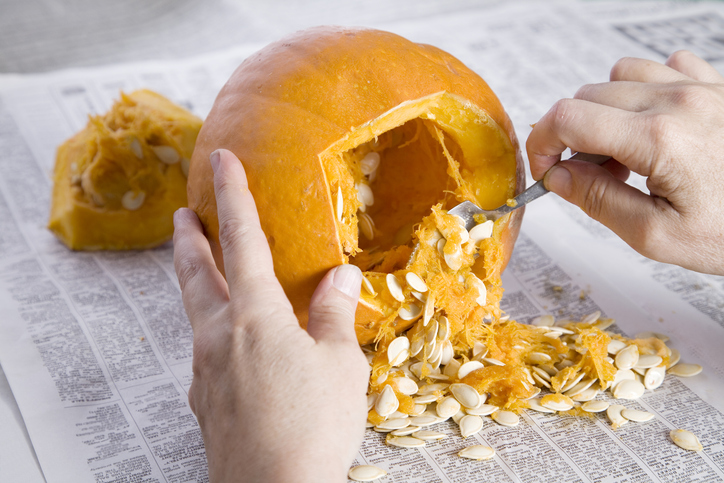
If you bought a pumpkin for carving instead of cooking, you can still keep the seeds. They're just a few minutes away from becoming a crunchy, flavor-loaded snack that's balanced with healthy fats, protein, and fiber. Pumpkin seeds are also a natural plant-based source of important minerals like magnesium, iron, and copper.
First, clean and dry the seeds well. Toss them with a small amount of oil and lay them flat on a cookie sheet. Season with salt, and feel free to add your favorite spices, too. If you're on a salt restriction, you can use a salt-free seasoning blend. Roast the seeds at 350 degrees Fahrenheit for 20-25 minutes, and let them cool completely before eating.
The pumpkin seeds (or pepitas) you buy at the store are hulled, but it is completely fine to eat the entire kernel and hull. No need to remove the hull from your roasted pumpkin seeds before snacking!
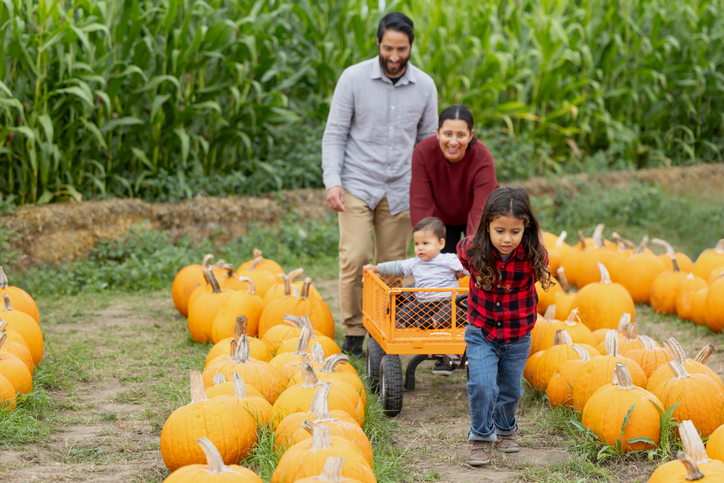
Ready to Visit the Pumpkin Patch?
These guides to Arkansas pumpkin patches can help you find one near you:
- Your Guide to Pumpkin Patches in Central Arkansas (Little Rock Soiree)
- Pumpkin Patches in Northwest Arkansas - 2026 (NWA Travel Guide)
More Pumpkin Resources
Here is some further reading on pumpkins, their health benefits, and how to use them in cooking:
- Home Gardening Series: Pumpkins (University of Arkansas Cooperative Extension Service)
- 25 Must-Try Pumpkin Recipes to Make This Fall (AllRecipes)
